Overview
A company wants to predict, after its training courses, which employees are likely to leave for a new job.
- A Big Data / Data Science firm trains candidates and needs to know who will stay versus who will move on to a new job.
- Goal: predict the binary attrition target (looking for a job change or not) directly with a deep neural network, not a classic ML model.
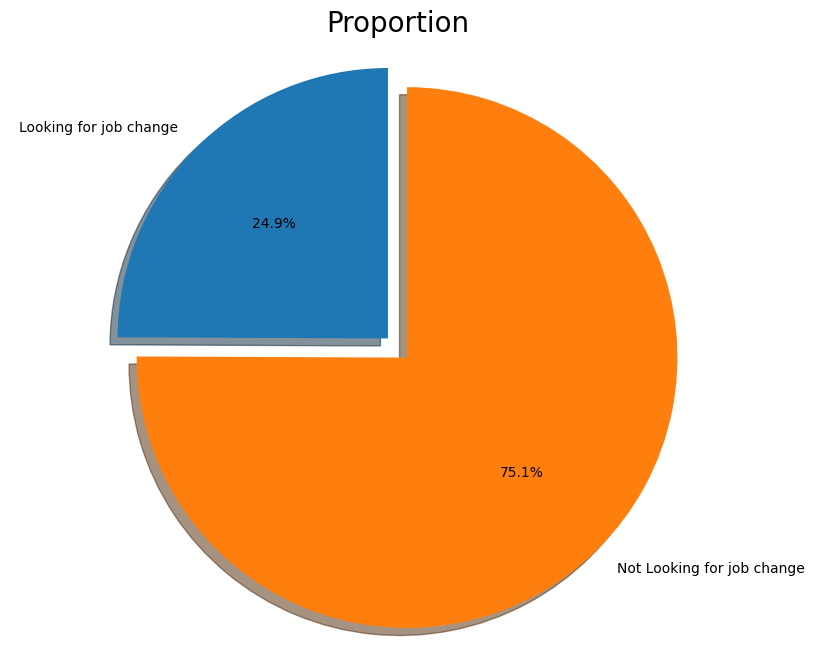
- Only ~25% of employees are actually seeking a change, making this an imbalanced classification problem.
- Because both false positives and false negatives are costly, F1 score (not raw accuracy) is the chosen success metric.
- An accurate model lets HR plan retention and hiring faster and more cheaply than manual review.
Methodology
flowchart LR
  A[Raw Data] --> B[Clean & Encode]
  B --> C[EDA]
  C --> D[Train/Test Split]
  D --> E["CNN"]
  E --> F["Tune (Cross-Validation)"]
  F --> G["Evaluate: Recall / F1 / ROC"]
  G --> H[Interpret]
The Data
The dataset describes about nineteen thousand employees using demographic, education, and training details.
- 19,158 rows and 14 columns: 10 categorical (object) and 4 numerical fields describing each employee.
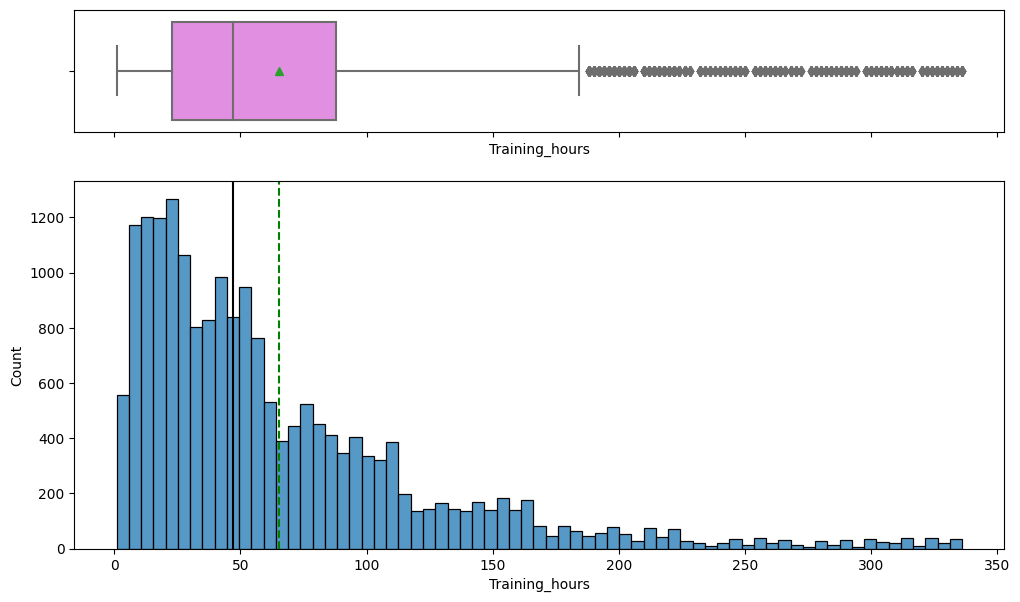
- Key numerics: training hours (max 336, but 75% finished within 88 hours) and city development index.
- The City column has 123 unique categories; City 103 holds the most employees.
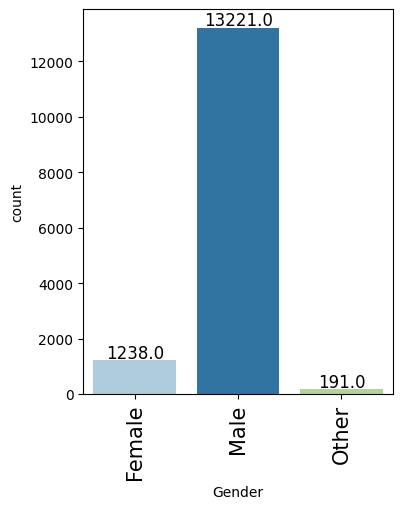
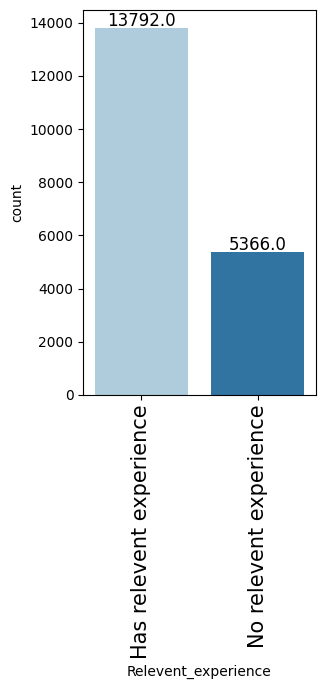
- Heavily skewed cohort: over 90% male, ~70% with relevant data science experience, ~75% from private-sector firms.
- Missing values imputed with the column mode; categorical columns converted via Label Encoding for the network.
Exploratory Analysis
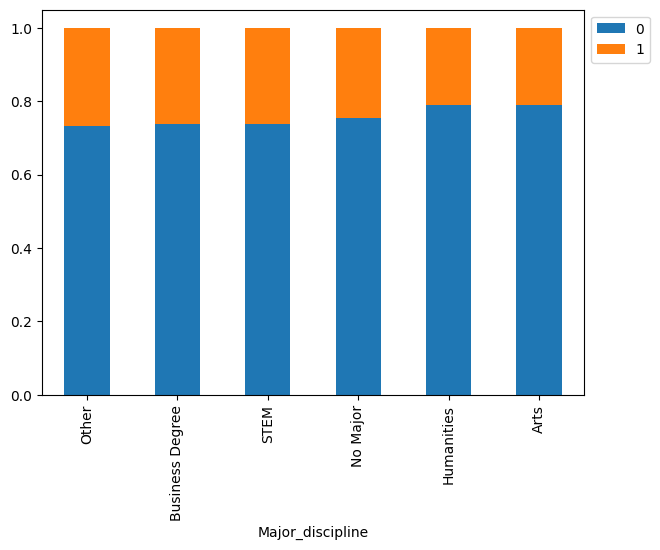
We explored how training, experience, and education relate to whether an employee wants a new job.
- Most employees trained under 100 hours, with central tendency around 70 hours despite a long right tail.
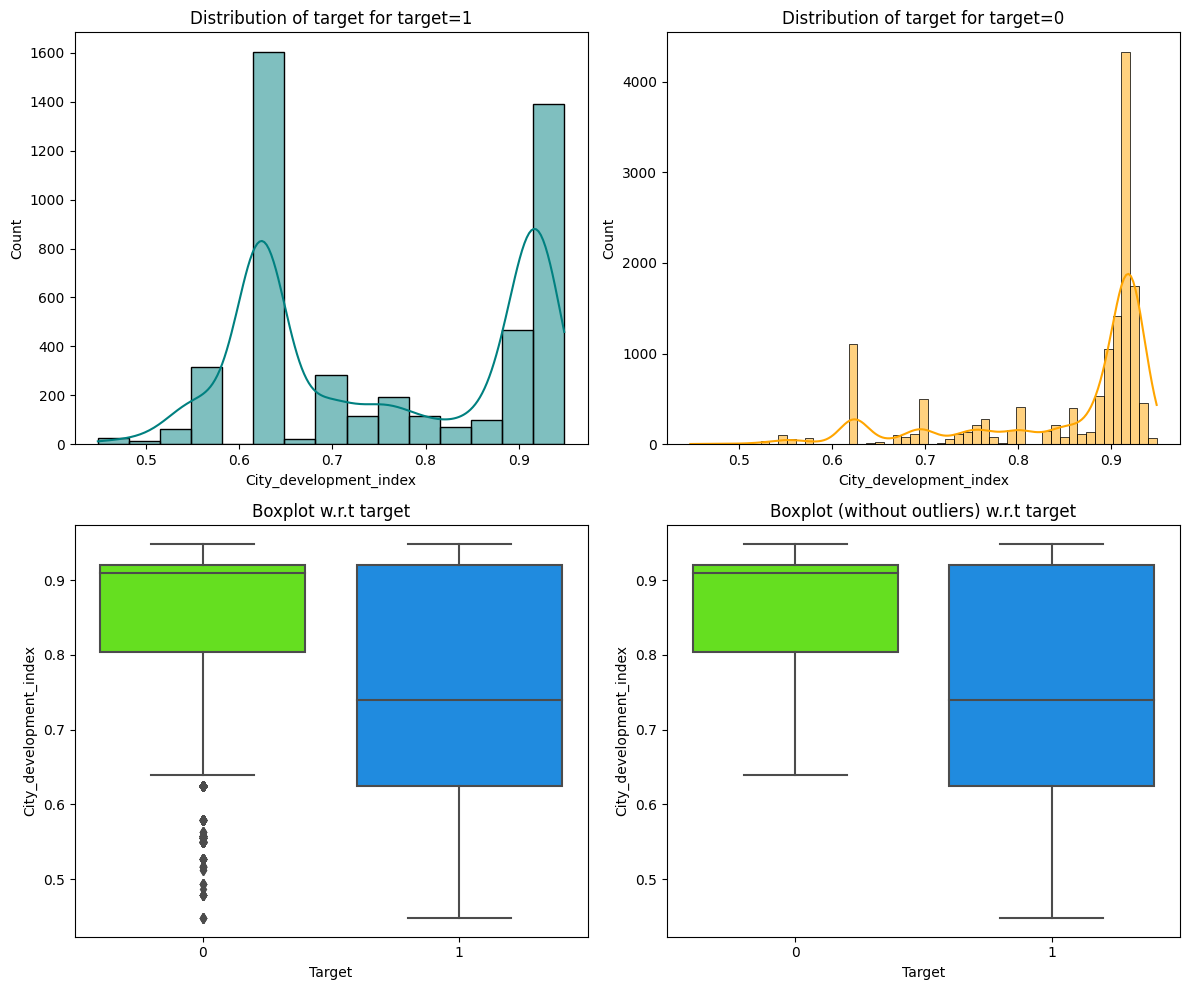
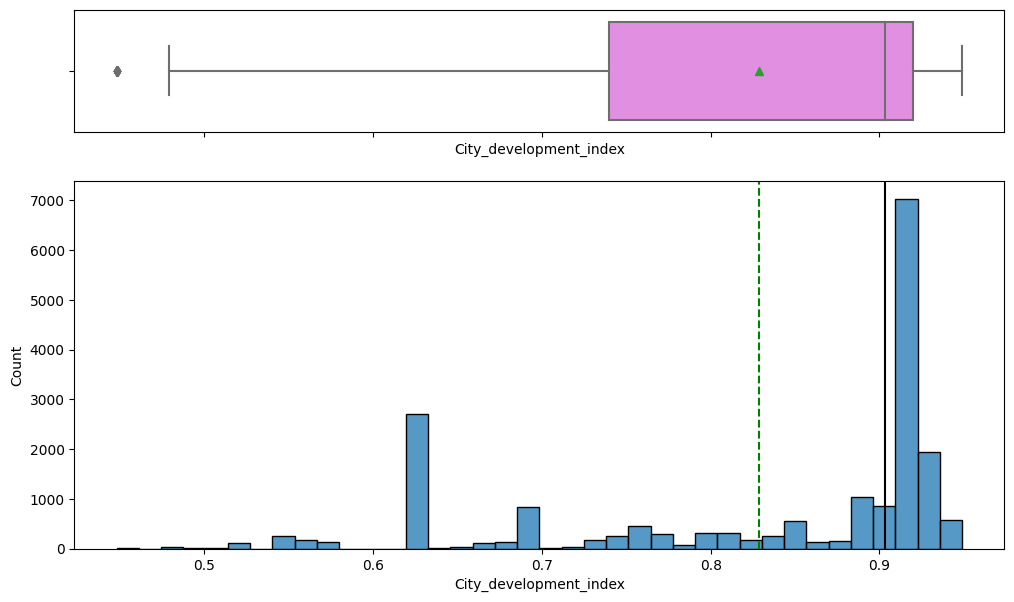
- Employees from high-development cities (index over 0.9) are far less likely to switch jobs.
- Those with non-relevant experience or under 3 years of work experience are the most likely to leave.
- Gender showed little effect on attrition, while Graduates and Master's holders were more likely to switch.
- The target itself is imbalanced (~25% positive), confirming the need for threshold tuning and F1 focus.
Neural Network Architecture
We built and refined a layered neural network, adding dropout to stop it from over-memorizing the data.
- Started with a shallow Keras model: Dense 64 -> 32 -> 1 sigmoid with SGD, trained 50 epochs.
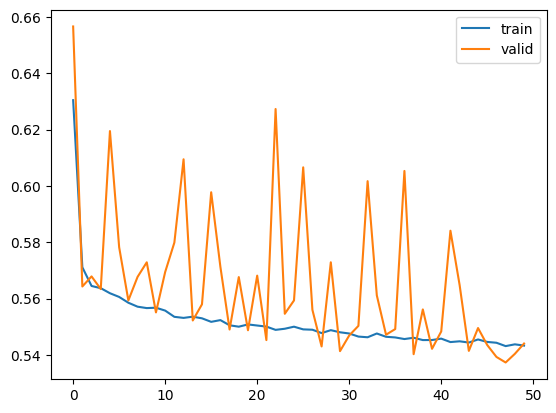
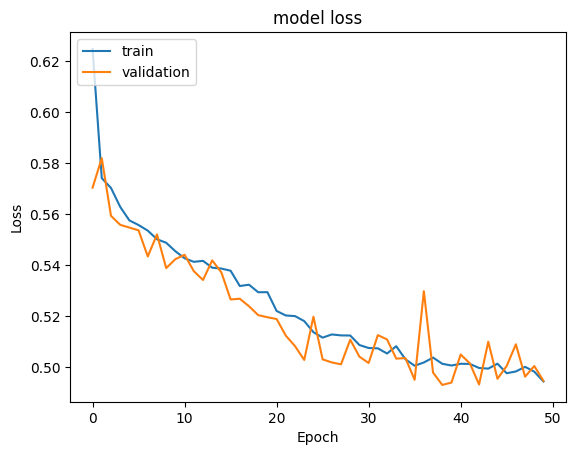
- Deepened the network and switched to the Adam optimizer, producing smoother train/validation loss curves.
- Final model adds Dropout regularization: Dense 256 (drop 0.3) -> 128 (drop 0.3) -> 64 (drop 0.2) -> 32 -> 1 sigmoid.
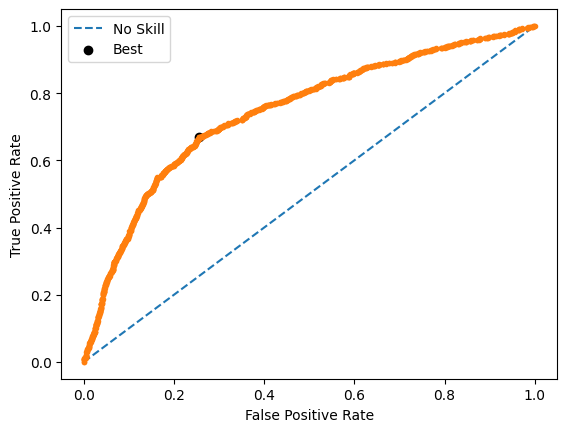
- Tuned the decision threshold with the ROC-AUC curve instead of the default 0.5 to handle class imbalance.
- Explored RandomizedSearchCV, GridSearchCV, Keras Tuner, and SMOTE oversampling to push the F1 score higher.
Results & Accuracy
The dropout network gave the best balanced performance, correctly flagging job-switchers without too many false alarms.
- The baseline SGD model reached ~75% accuracy but a poor F1 score with too many false positives.
- Adding depth and Adam raised the macro F1 score and smoothed convergence on the validation set.
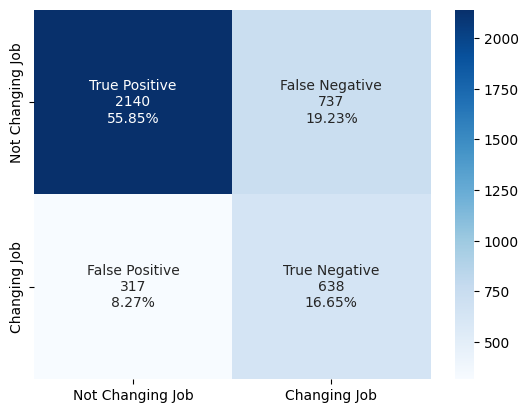
- The Dropout model (Model 4) cut the false negative rate and gave smooth train/validation curves with a solid F1.
- Hyperparameter search and SMOTE were tried, but both tended to overfit and did not beat the Dropout model.
- Model 4 was selected as the final model: best F1/recall balance from confusion matrix and ROC analysis.
Key Takeaways
A well-regularized neural network can reliably predict employee attrition and support smarter HR decisions.
- Dropout regularization beat both hyperparameter search and SMOTE for this imbalanced attrition dataset.
- Optimizing F1 and ROC-tuned thresholds matters far more than raw accuracy when classes are skewed.
- HR can deploy the model to flag likely job-switchers faster and more cheaply than manual review.
- Future work: derive feature importance from a tree model and engineer skewed variables for a stronger network.
- Built with: Python, Pandas, NumPy, Matplotlib, Seaborn, Scikit-learn, TensorFlow/Keras, Keras Tuner, imbalanced-learn (SMOTE).
More Visualizations
Tech Stack
- pandas — data wrangling and tabular manipulation
- numpy — fast numerical arrays
- scikit-learn — modeling, pipelines, and evaluation
- seaborn — statistical visualization
- matplotlib — plotting
- tensorflow — deep-learning framework
- keras — high-level neural-network API
Attribution
This project was completed as part of the MIT Applied Data Science Program (MIT IDSS / Great Learning). The program provided the case-study scaffolding; the analysis, code, and results are my own. Published with permission, for portfolio use only.